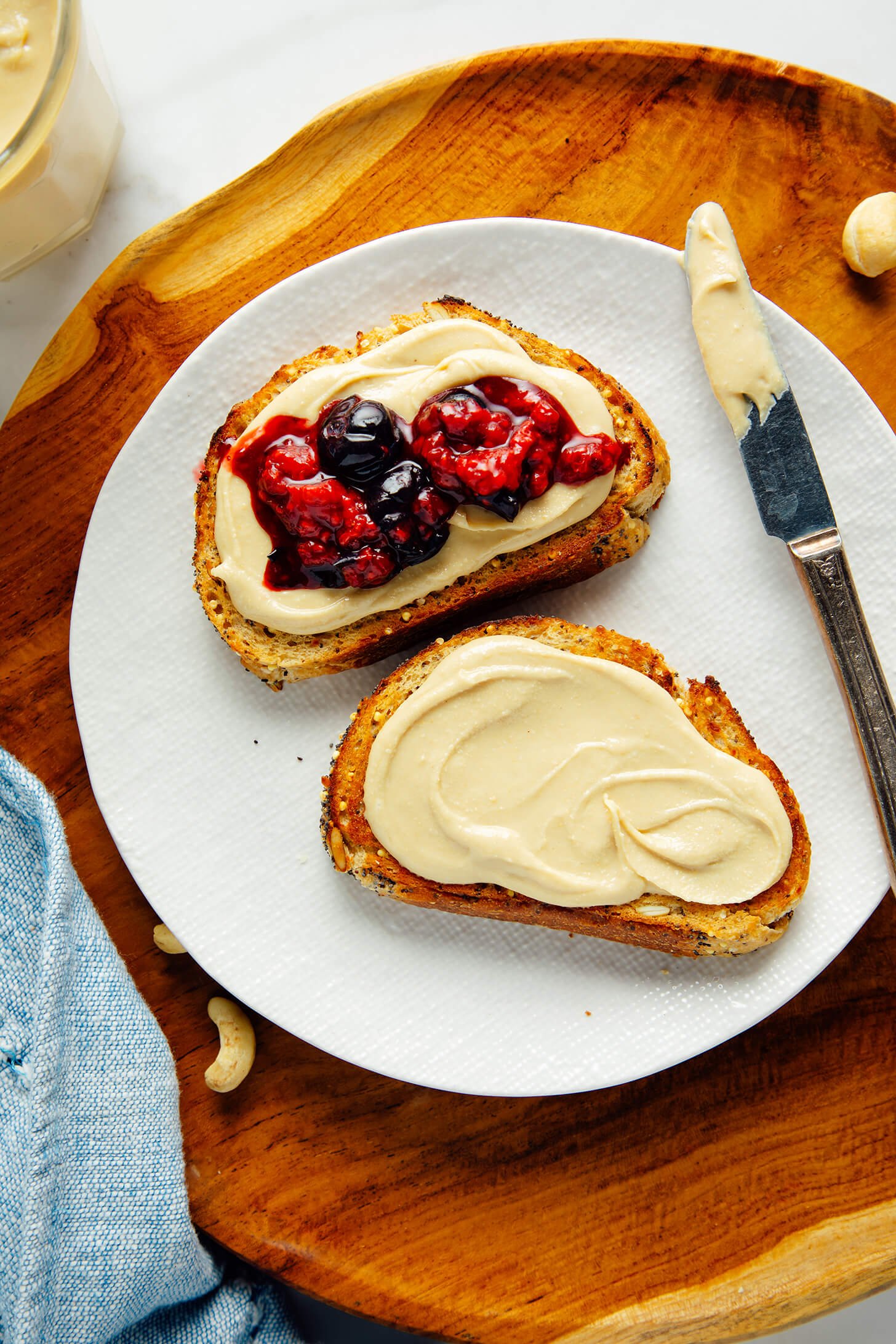
Unlock Cashew Butter's Versatility: Beyond Peanut Butter
In a world often dominated by peanut butter, a creamy, subtly sweet, and incredibly versatile spread is carving out its own delicious niche: cashew butter. Whether you're navigating a plant-based lifestyle, have dietary restrictions, or simply seek a nutritious and delectable alternative to traditional spreads, discovering the wonders of homemade cashew butter is a game-changer. It elevates everything from breakfast bowls to savory sauces, offering a unique flavor profile and unparalleled creaminess. The best part? Learning how to make homemade cashew butter is surprisingly simple, transforming humble cashews into a gourmet delight right in your own kitchen.
What Makes Cashew Butter So Special?
Cashew butter distinguishes itself with a unique set of characteristics that make it a pantry staple for many. Unlike its bolder counterparts, cashew butter boasts a wonderfully mild, nutty flavor with a delicate hint of natural sweetness. This makes it an incredibly adaptable ingredient that won't overpower other flavors in a dish.
Texture-wise, it's in a league of its own. Thanks to cashews' naturally high-fat content and soft composition, they purée into an exceptionally smooth, velvety consistency that's often creamier than both almond and peanut butter. This inherent creaminess is why cashew butter is a star in vegan and paleo recipes, especially when a rich, dairy-free texture is desired, such as in no-bake cheesecakes or creamy pasta sauces.
Beyond its sensory appeal, cashew butter is a nutritional powerhouse. It's an excellent source of essential minerals like magnesium, vital for muscle and nerve function, and copper, which plays a role in energy production and iron absorption. Additionally, cashews provide a good range of essential amino acids, making this spread a wholesome addition to any diet. Its natural richness and healthful fats contribute to satiety, helping you feel fuller for longer.
How to Make Homemade Cashew Butter: Your Step-by-Step Guide
The journey to creating your own luscious cashew butter at home is straightforward and rewarding. All you need are a few basic tools and the star ingredient: cashews. Here’s a comprehensive guide to crafting perfect homemade cashew butter, whether you prefer it raw or roasted.
Essential Equipment and Ingredients
- High-Powered Food Processor or Blender: This is non-negotiable for achieving a truly smooth and creamy texture. A regular blender might struggle or take significantly longer.
- Raw Cashew Nuts: Start with at least two cups. Raw cashews are key, as they will release their oils effectively during blending.
- Rubber Spatula: Indispensable for scraping down the sides of your blending bowl.
- Optional Additions: A pinch of salt to enhance flavor, a tablespoon of neutral oil (like coconut or avocado) for extra smoothness, or a teaspoon of maple syrup for a touch of sweetness.
Method 1: Raw Cashew Butter
For those who appreciate the purest flavor of cashews, raw cashew butter is a fantastic choice. It maintains a lighter taste profile, perfect for delicate recipes.
- Load the Processor: Place two cups of raw cashews into your high-powered food processor.
- Begin Blending: Start blending, initially in 30-60 second intervals. The cashews will first break down into a coarse meal, then a finer powder.
- Scrape and Continue: Use your rubber spatula to scrape down the sides of the bowl frequently. This ensures all cashews are evenly processed and prevents the machine from overheating.
- Patience is Key: Continue blending and scraping. Over several minutes, the natural oils from the cashews will begin to release, transforming the dry powder into a sticky paste, then a thick batter, and finally, a gloriously smooth, creamy butter. This entire process can take anywhere from 5 to 15 minutes, depending on your machine.
Method 2: Roasted Cashew Butter for Enhanced Flavor
Roasting your cashews before blending is a popular choice for a reason: it deepens their nutty flavor, making the resulting butter even more aromatic and delicious. It also helps to release their oils more readily, which can sometimes make for a quicker blending process. For a deeper dive into the nuances of preparation, explore Raw vs. Roasted: Crafting Flavorful Homemade Cashew Butter.
- Preheat Oven: Preheat your oven to 350°F (175°C).
- Roast Cashews: Spread your raw cashews evenly in a single layer on an ungreased baking sheet. Toast in the preheated oven for about 8-12 minutes. Watch them carefully, as they can burn quickly. They should turn a golden brown and become fragrant.
- Cool Completely: Remove the cashews from the oven and let them cool down to room temperature. This step is crucial; blending hot cashews can damage your equipment and affect the butter's texture.
- Blend Away: Once cooled, transfer the roasted cashews to your high-speed blender or food processor.
- Process to Perfection: Blend on high, following the same interval-based process as with raw cashews. They will go from whole to crumbly, then powdery, then sticky, and finally, smooth and creamy. This stage may take slightly less time due to the roasted nuts' softened structure.
- Optional Customizations:
- For Extra Creaminess: If you desire an ultra-smooth consistency, particularly with an older or less powerful machine, you can add a tablespoon of neutral-tasting oil (like coconut or avocado oil) once the mixture starts to form a paste.
- For Flavor Enhancement: Add a pinch of salt (start with ¼ teaspoon) or a teaspoon of maple syrup during the blending process to achieve your preferred taste.
- Achieve Desired Texture: Continue blending and scraping until the cashews completely release their natural oils, transforming into a velvety, butter-like consistency.
Storage Tips for Freshness
Once your homemade cashew butter reaches its perfect texture, transfer it to a clean, airtight container or mason jar. Store it in the refrigerator, where it will remain fresh for several weeks. It's natural for the oils to separate over time; simply give it a good stir before each use. For more detailed instructions on perfecting your spread, refer to our comprehensive guide: Homemade Cashew Butter: Easy Steps to Creamy Perfection.
Unlocking Cashew Butter's Culinary Versatility
The true magic of cashew butter lies in its incredible versatility. Its mild flavor and luscious texture make it a secret weapon in both sweet and savory dishes, allowing you to move far beyond just spreading it on toast.
Beyond the Toast: Sweet Applications
- Smoothies and Smoothie Bowls: A spoonful of cashew butter adds a delightful creaminess and a boost of healthy fats and protein, transforming a simple smoothie into a satisfying meal.
- Desserts: Its creamy consistency makes it an ideal base for vegan cheesecakes, dairy-free puddings, cookies, and energy balls. It can also be melted down to create a rich glaze or frosting.
- Breakfast Boost: Stir it into oatmeal or yogurt for added richness, or drizzle it over pancakes and waffles for a gourmet touch.
- Baking: Replace other nut butters in cookie, bar, and brownie recipes for a milder, creamier result.
Savory Surprises
Don't underestimate cashew butter's savory potential. Its ability to emulsify and thicken makes it an invaluable ingredient in many cuisines.
- Thickener for Sauces and Soups: Add it to curries, stews, or stir-fries to create rich, creamy sauces without dairy. It's particularly fantastic for crafting homemade vegan "cream" sauces.
- Dressings and Dips: Blend cashew butter with a touch of citrus, garlic, and herbs for a creamy, dairy-free salad dressing. It also makes an excellent substitute for tahini in recipes like hummus or baba ghanoush, offering a slightly sweeter and milder profile.
- Marinades: Incorporate it into marinades for chicken, tofu, or vegetables to add depth and tenderizing fats.
Allergy-Friendly Alternative
For those with peanut allergies, cashew butter is a fantastic and delicious substitute for peanut butter in almost any application, from sandwiches to baked goods and savory sauces. Its similar fat content ensures consistent results in most recipes, while its milder flavor can be a welcome change.
Tips for Cashew Butter Perfection
While the process is simple, a few expert tips can help you achieve truly exceptional homemade cashew butter every time:
- Patience is Paramount: The transformation from whole nuts to creamy butter takes time. Resist the urge to add liquid too early, as this can seize the mixture. Trust the process; the oils *will* release.
- Don't Overheat Your Machine: If your food processor or blender starts to feel hot, give it a break for a few minutes. This prevents damage to your appliance and ensures even blending.
- Quality Cashews Matter: Start with fresh, good-quality raw cashews. Stale nuts can result in a less flavorful and potentially oilier butter.
- Get Creative with Flavor: Once you've mastered the basic recipe, experiment! A pinch of cinnamon, a splash of vanilla extract, a teaspoon of cocoa powder, or even a few medjool dates can transform your cashew butter into a unique spread tailored to your taste. For savory uses, consider a dash of smoked paprika or nutritional yeast.
- Troubleshooting Texture: If your butter is too thick, add a tiny amount (½ teaspoon at a time) of a neutral oil like coconut or avocado oil while blending. If it's not blending, scrape the sides down thoroughly and continue processing; sometimes it just needs more time.
Conclusion
Making homemade cashew butter is a simple yet incredibly rewarding culinary endeavor. It not only provides a delicious and nutritious spread that far surpasses most store-bought options in freshness and flavor but also opens up a world of culinary possibilities, from sweet indulgences to savory masterpieces. With its unparalleled creaminess and mild, versatile flavor, cashew butter truly shines as a standout alternative to traditional spreads. So, grab your cashews and your food processor, and unlock the incredible versatility that awaits you. Your taste buds (and your kitchen) will thank you!
