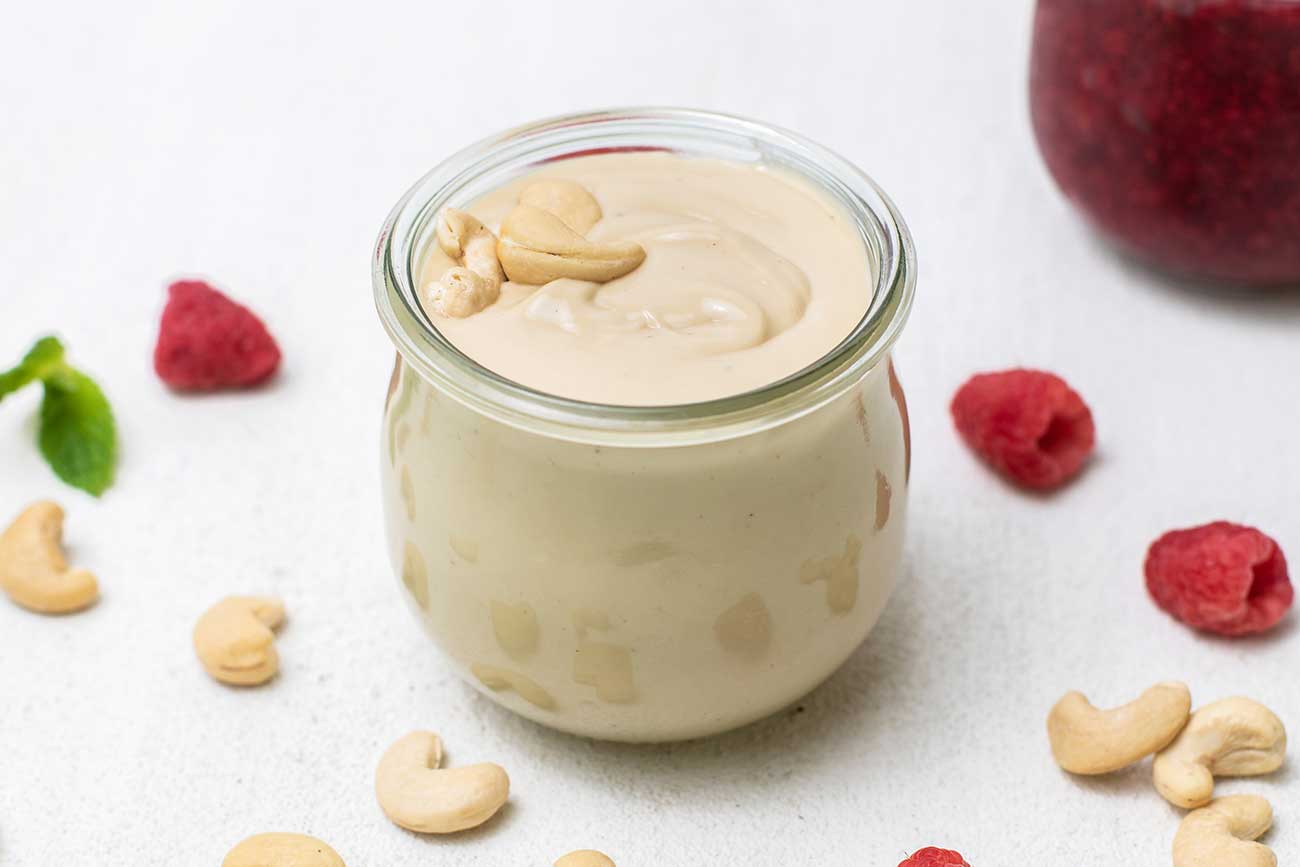
Raw vs. Roasted: Crafting Flavorful Homemade Cashew Butter
There's nothing quite like the satisfaction of creating something delicious and wholesome from scratch in your own kitchen. Among the pantheon of delightful spreads, homemade cashew butter stands out as a true culinary gem. Its lusciously creamy texture and subtly sweet, nutty flavor make it a versatile ingredient for everything from breakfast bowls to savory sauces. If you're wondering how to make homemade cashew butter, you've come to the right place. While the process is remarkably simple, a key decision awaits you: to use raw or roasted cashews. This choice profoundly impacts the final flavor, texture, and aroma of your delightful spread.
Whether you're exploring a plant-based diet, seeking a nutritious alternative to traditional spreads, or simply a fan of gourmet flavors, crafting your own cashew butter is a rewarding experience. It’s also an excellent alternative to almond butter and peanut butter, often favored in vegan and paleo recipes for its unparalleled creaminess, making it perfect for thickening smoothies, enriching desserts like vegan cheesecakes, or serving as a base for creamy dressings.
Why Make Homemade Cashew Butter?
Beyond the sheer enjoyment of creating food with your own hands, making cashew butter at home offers a multitude of benefits:
- Unbeatable Freshness: Store-bought varieties often sit on shelves for months. Homemade cashew butter, blended just before you use it, delivers peak flavor and freshness.
- Control Over Ingredients: You dictate what goes into your butter. No unnecessary oils, added sugars, or preservatives – just pure cashew goodness, plus any optional enhancements you choose.
- Cost-Effective: Buying cashews in bulk and making your own butter is often more economical than purchasing premium pre-made versions.
- Customization: From a pinch of sea salt to a drizzle of maple syrup or a hint of vanilla, you can tailor the flavor profile precisely to your liking.
- Nutritional Powerhouse: Cashew butter isn't just delicious; it's also packed with health benefits. Cashews are an excellent source of essential minerals like magnesium and copper, beneficial for bone health and energy production. They also provide healthy fats and essential amino acids, contributing to overall well-being.
The Raw vs. Roasted Debate: Flavor & Texture Unveiled
The choice between raw and roasted cashews is the most crucial decision you'll make when preparing homemade cashew butter, as it significantly influences the end product's characteristics.
Crafting Raw Cashew Butter
When you opt for raw cashews, you’re aiming for a butter that celebrates the natural, untamed essence of the nut. The flavor profile of raw cashew butter is notably subtle, delicate, and mildly sweet. It possesses a purer, almost botanical cashew taste that some describe as less intensely "nutty" than its roasted counterpart. This nuanced flavor makes it an excellent base for recipes where you want the cashew's creaminess without overpowering other ingredients, such as in light desserts or creamy dressings.
In terms of texture, raw cashews can sometimes be a bit more resistant to blending. Their natural oils aren't as readily released as those in roasted nuts, meaning you might need a bit more patience and perhaps an optional tablespoon of neutral oil (like coconut or avocado oil) to achieve that silky-smooth consistency. The blending process typically involves placing two cups of raw cashews into a high-powered food processor and blending in short 30-60 second intervals, regularly scraping down the sides of the bowl with a rubber spatula, until the butter reaches your desired creamy smoothness. This method preserves the raw nutrients of the cashews, appealing to those who prefer a raw food approach.
Mastering Roasted Cashew Butter
Roasting cashews before blending them transforms their flavor and texture in remarkable ways. The heat caramelizes their natural sugars and deepens their nutty notes, resulting in a richer, more robust, and pronounced flavor with a hint of warmth and sweetness. Many find this roasted flavor to be the quintessential taste of cashew butter – a hearty, satisfying depth that's incredibly addictive.
From a texture perspective, roasting cashews helps to release their natural oils more efficiently. This often means less effort is required to achieve a beautifully smooth and velvety butter. The process begins by preheating your oven to 350°F (175°C). Spread two cups of raw cashews evenly in a single layer on an ungreased baking sheet. Toast them in the oven for about 8-15 minutes, or until they turn a fragrant golden brown. It’s crucial to watch them closely as they can go from perfectly toasted to burnt very quickly. Once roasted, let the cashews cool completely to room temperature. This step is vital, as blending warm nuts can result in a pasty texture rather than a smooth butter.
After cooling, transfer the roasted cashews to a high-speed blender or food processor. Blend them on high until they break down from whole nuts to a fine powder, then a thick paste, and finally, as their natural oils release, into a gloriously smooth, creamy butter. This process can take several minutes, so patience is key. If desired, you can add a tablespoon of a neutral-tasting oil (like melted coconut oil or avocado oil) to help expedite the process or achieve an even silkier texture. A pinch of sea salt can also significantly enhance the flavor, bringing out the cashews' natural sweetness and richness. Some also enjoy a touch of maple syrup for added sweetness. Continue blending, scraping down the sides as needed, until you reach your desired velvety consistency.
Essential Equipment and Ingredients for Homemade Cashew Butter
Before you embark on your cashew butter journey, gather these fundamental tools and components:
Key Equipment:
- High-Speed Blender or Food Processor: This is non-negotiable. A powerful motor is essential to break down the cashews and coax out their natural oils, transforming them into a smooth butter. While a food processor is generally preferred for its wider base, a high-speed blender can also work, though it may require more scraping.
- Rubber Spatula: Indispensable for scraping down the sides of your blending container, ensuring all cashew pieces are incorporated and processed evenly.
- Baking Sheet (if roasting): A rimmed baking sheet prevents cashews from rolling off during the roasting process.
- Airtight Container or Mason Jar: For storing your finished cashew butter in the refrigerator.
Core Ingredients:
- Raw Cashew Nuts: You'll need about 2 cups of raw cashews as your base, regardless of whether you plan to roast them or not. Look for whole, unsalted cashews for the best results.
- Optional Enhancements:
- Neutral-Tasting Oil: A tablespoon of coconut oil (melted) or avocado oil can aid in achieving an extra-smooth, creamy texture, especially for raw cashew butter.
- Salt: A pinch of fine sea salt (about ½ teaspoon, or to taste) elevates the flavor profile, balancing the natural sweetness of the cashews.
- Sweetener: For those who prefer a sweeter butter, a teaspoon of maple syrup or agave nectar can be added during the final stages of blending.
Step-by-Step Guide: How to Make Homemade Cashew Butter
Now that you understand the nuances of raw versus roasted, let's dive into the practical steps for creating your own luscious cashew butter at home.
Option 1: Crafting Raw Cashew Butter
- Prepare Your Cashews: Place 2 cups of raw cashews directly into your high-powered food processor.
- Begin Blending: Start blending on high. The cashews will first break down into a coarse meal, then a finer powder.
- Scrape and Continue: After 30-60 seconds, stop the processor and use a rubber spatula to scrape down all the cashew bits from the sides of the bowl. This ensures even processing.
- Patience is Key: Continue blending in short intervals, stopping to scrape down the sides frequently. Over time, the cashews will release their natural oils, transforming from a dry powder to a thick paste, then a dough-like ball, and finally into a smooth, creamy butter. This process can take 5-10 minutes, or even longer depending on your machine.
- Achieve Desired Consistency: Keep blending until your cashew butter is wonderfully smooth and creamy. If it seems too thick or you desire extra silkiness, you can add 1 tablespoon of neutral oil (like coconut or avocado oil) and blend again until fully incorporated.
Option 2: Mastering Roasted Cashew Butter
- Preheat Oven & Prepare Cashews: Preheat your oven to 350°F (175°C). Spread 2 cups of raw cashews in a single layer on an ungreased, rimmed baking sheet.
- Roast for Flavor: Toast the cashews in the preheated oven for 8-15 minutes. Watch them carefully; they should turn golden brown and become fragrant. Over-roasting can lead to a bitter taste.
- Cool Completely: Remove the baking sheet from the oven and allow the roasted cashews to cool down to room temperature completely. This is a crucial step for achieving the best texture.
- Transfer to Processor: Once cooled, transfer the roasted cashews to your high-speed blender or food processor.
- Blend Away: Begin blending on high. Similar to raw cashews, they will go through phases: coarse meal, fine powder, thick paste, and finally, creamy butter. This process is often quicker with roasted cashews due to their released oils.
- Scrape and Blend: Stop the machine every minute or so to scrape down the sides with your rubber spatula, ensuring all the nuts are processed evenly.
- Optional Additions: Once the butter starts to form, you can add ½ teaspoon of sea salt, 1 teaspoon of maple syrup, or 1 tablespoon of neutral oil if desired. Blend until all additions are fully incorporated and the butter is super smooth and velvety.
Tips for Perfect Cashew Butter Every Time
- Patience, Patience, Patience: Making nut butter is a test of patience. Don't rush the blending process; it takes time for the cashews to release their oils.
- Powerful Equipment is Key: A high-quality food processor or high-speed blender makes all the difference. Underpowered machines might struggle to achieve the desired creamy consistency.
- Scrape Religiously: Regular scraping prevents bits of cashews from clinging to the sides and ensures a uniformly smooth butter.
- Don't Overheat Your Machine: If your blender or food processor starts to get very warm, give it a break for a few minutes to prevent overheating.
- Storage: Transfer your freshly made cashew butter to a clean, airtight container or mason jar. Store it in the refrigerator, where it will stay fresh for several weeks. The natural oils may separate over time, so give it a good stir before each use.
Beyond the Jar: Creative Uses for Your Homemade Cashew Butter
Once you've mastered how to make homemade cashew butter, a world of culinary possibilities opens up! Its mild, creamy nature makes it incredibly versatile:
- Smoothie & Smoothie Bowl Booster: Add a generous dollop to thicken and enrich your morning smoothies or bowls.
- Baking & Desserts: A fantastic substitute for other nut butters in cookies, bars, and especially in vegan cheesecakes, where its texture is simply divine.
- Savory Applications: Use it as a thickener in curries, stews, and creamy vegan sauces. It also makes an excellent substitute for tahini in recipes like hummus or baba ghanoush, adding a unique richness. For more inventive uses, explore Unlock Cashew Butter's Versatility: Beyond Peanut Butter.
- Spreads & Dips: Enjoy it simply spread on toast, apple slices, or as a creamy dip for fruit.
Making homemade cashew butter is a rewarding culinary adventure. Whether you prefer the subtle, pure flavor of raw cashews or the deeper, richer notes of roasted ones, the process is simple and the results are incredibly delicious. With control over your ingredients and the ability to customize to your heart's content, you'll soon be enjoying a healthier, fresher, and more flavorful spread than anything store-bought. So, grab your cashews and your food processor, and get ready to create something truly special. For more in-depth guidance, you can also refer to Homemade Cashew Butter: Easy Steps to Creamy Perfection.
